The Ghost of Furrengasse: Lucerne’s Darkest Legend and the Toggeli
Looking for a darker side of Lucerne?
While most visitors experience Lucerne as a charming and peaceful city, its old town hides stories that are far less comforting.
Hidden among the narrow alleys lies Furrengasse — a small street with a long history of ghostly encounters, night spirits, and one of the strangest creatures in Swiss folklore: the Toggeli.
Where is Furrengasse in Lucerne?
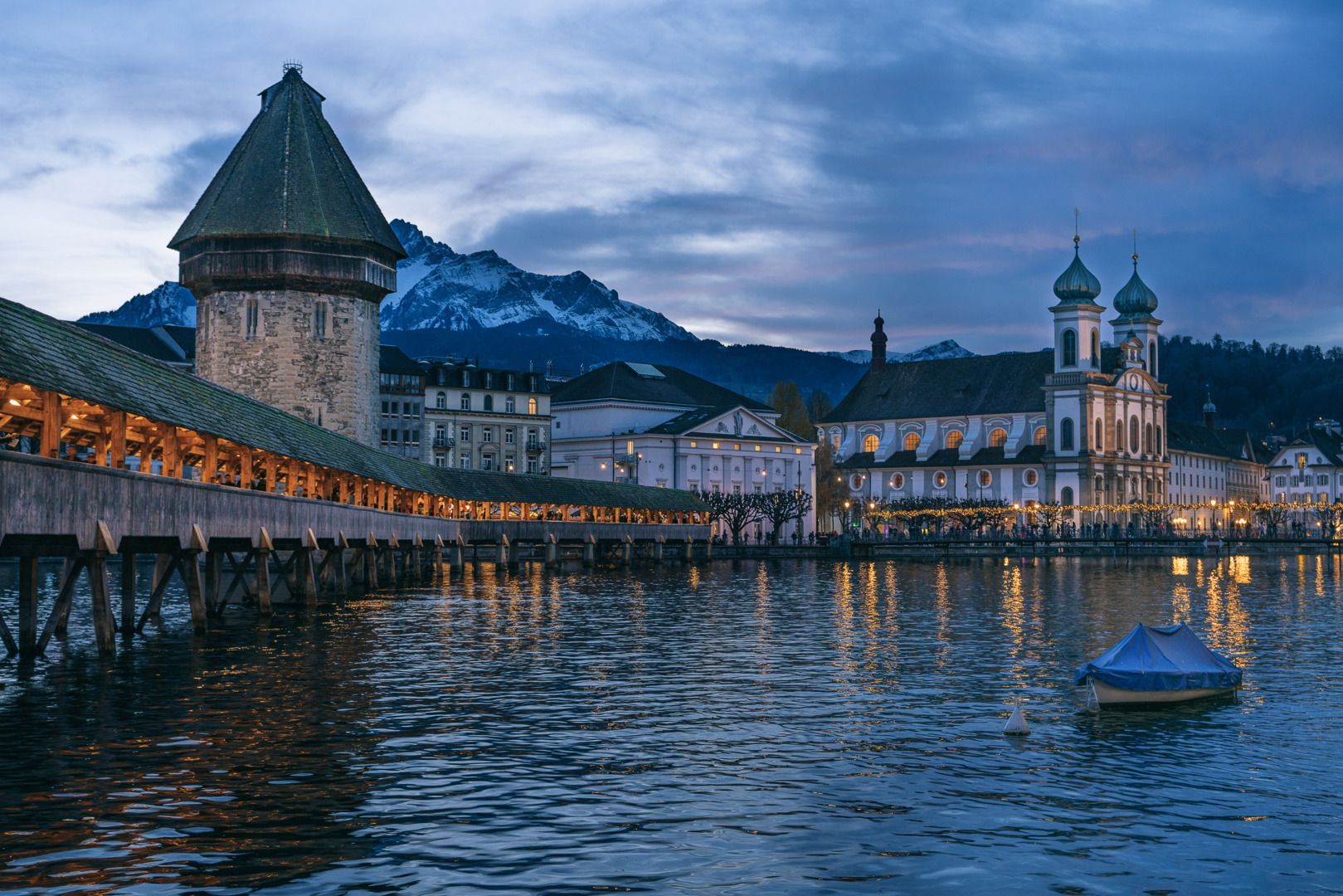
Furrengasse is located in the heart of Lucerne’s old town, just a few steps from the town hall and the Reuss River.
By day, it looks like any other historic street.
But at night, when the crowds disappear, the atmosphere changes.
The silence deepens. The shadows grow longer.
And this is when the old stories begin to feel very real.
The Original Legend of the Ghost and the Toggeli
At the beginning of the 17th century, a ghost haunted Furrengasse in Lucerne. A tall, gaunt man with a large, crooked nose would climb the stairs to the town hall square and walk through Furrengasse. Suddenly, he would transform into a towering ghost, as tall as a house, dragging a long tail behind him. The ghost never harmed anyone and disappeared just as quickly as it had appeared.
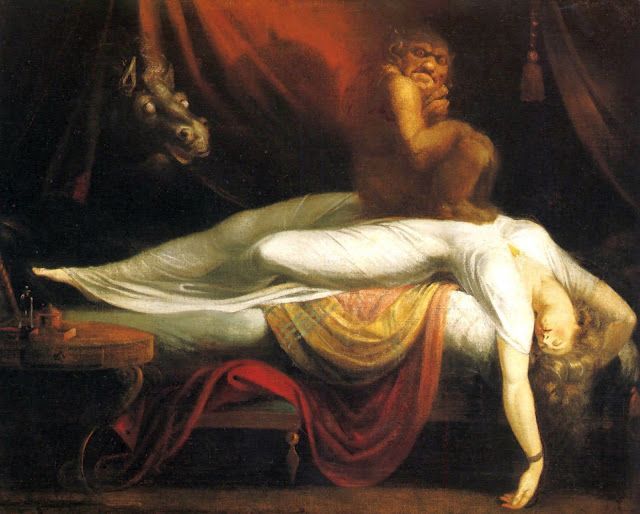
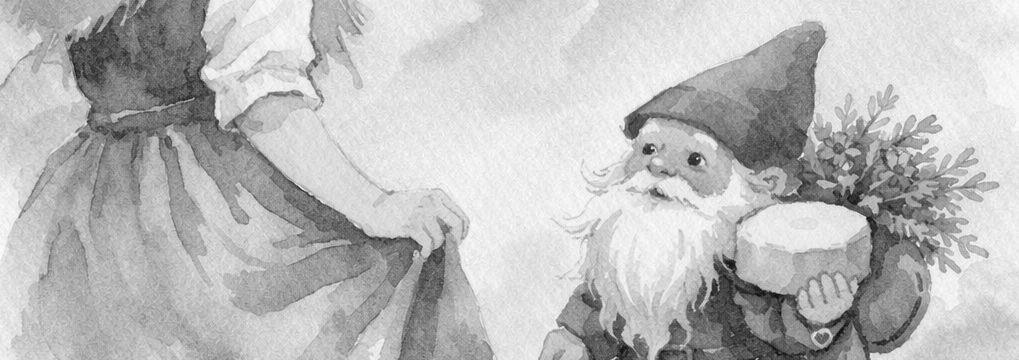
At the same time, demons of the night — so-called Toggelis — would slip through open windows into the chambers of sleeping people. A Toggeli would sit on the chest of a sleeper, pressing down so heavily that they struggled to breathe.
The Lucerne scholar Renward Cysat explains that the Toggeli corresponds to the “Schrätelin” or the Latin Incubus. The Incubus was described as a “lover-robber,” a night spirit who deceives sleepers with the illusion of love and desire.
But a Toggeli could also creep into a woman's dreams, exploring the depths of her mind. It would then deceive the helpless sleeper, making her believe it was the man of her dreams. The dreaming woman would imagine herself in the arms of her beloved, spending a passionate night together. By morning, the Toggeli would vanish, leaving the woman unsure whether she had merely dreamed — or if it had truly happened.
The maids of Lucerne whispered such stories among themselves, but no one ever dared to write them down.
Nearly two centuries later, the Swiss painter Johann Heinrich Füssli — later known as Henry Fuseli — brought this very idea to life in his famous painting The Nightmare, a haunting visual echo of the Lucerne Toggeli.
What is a Toggeli? (Swiss Folklore Explained)
The Toggeli is part of a wider European belief in night spirits.
In many cultures, similar beings exist:
The Incubus in Latin tradition
The “Schräteli” in Swiss-German folklore
Night demons associated with sleep paralysis
These figures reflect a time when people had no scientific explanation for dreams, fear, or the feeling of pressure during sleep.
Today, we might call it sleep paralysis.
Back then, it was something far more terrifying.
Haunted Lucerne: Myth or Reality?
- Lucerne is not widely known as a haunted city.
- But like many medieval towns, it carries layers of stories beneath its surface.
- Places like Furrengasse blur the line between:
- history
- belief
- imagination
- Whether you believe in ghosts or not — some places simply feel different.
Experience Lucerne’s Dark Side at Night
During the day, Lucerne is vibrant and full of life.
But at night, the city transforms.
The old town becomes quieter, darker, and closer to what it once was centuries ago.
This is the perfect moment to explore stories like the Toggeli — not just as legends, but in the very streets where they were once told.
👉Discover the Night Watchman
City Walking Tour in Lucerne
Step into the past, walk through hidden alleys, and hear the stories that most visitors never discover.
Things to Do in Lucerne at Night
If you are looking for unique evening experiences in Lucerne:
Walk through the quiet old town streets
See the illuminated historic buildings
Or experience the city through its stories on a guided night tour
For those who want more than just sightseeing, exploring Lucerne at night reveals a completely different side of the city.