The Zur Gilgen House and Tower
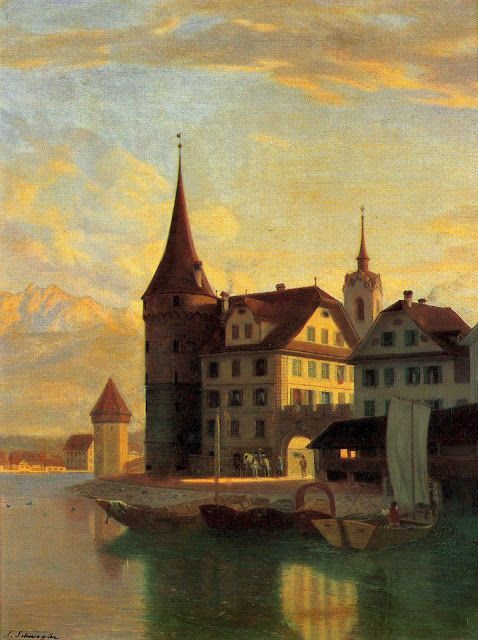
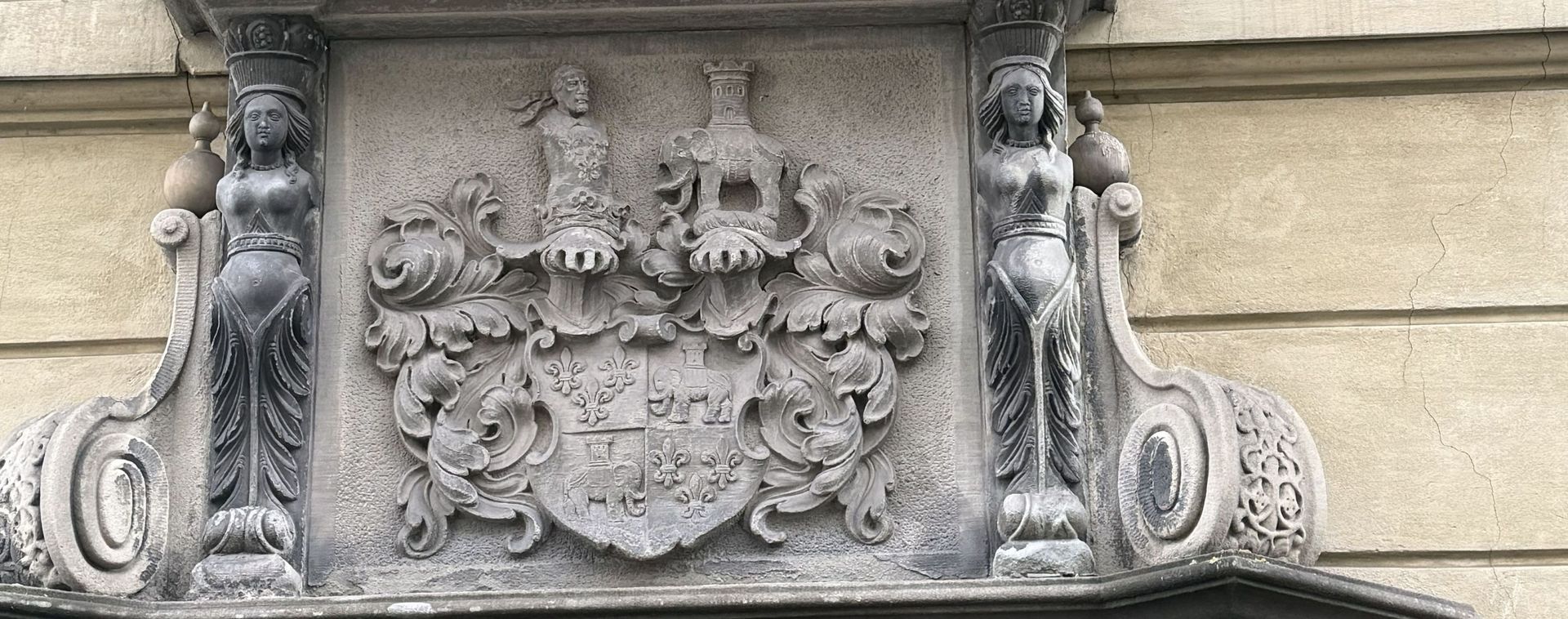
The Zur Gilgen House and the adjoining Baghard Tower were built in the early 16th century by Melchior Zur Gilgen and have remained in the possession of his descendants, who still reside there today.
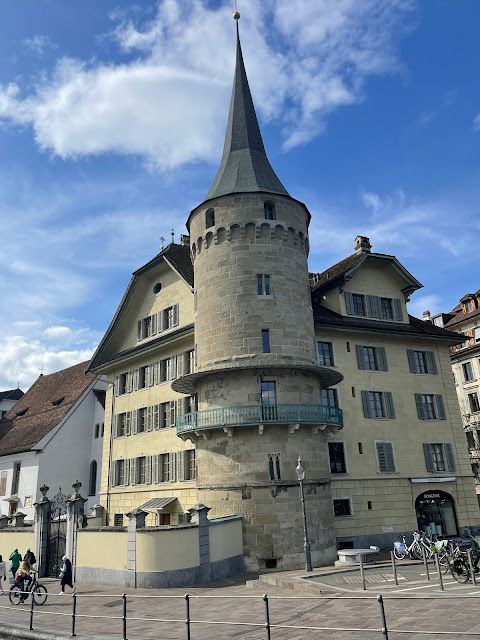
In the mid-18th century, the house underwent Baroque renovations both inside and out, while the Baghard Tower—now known as the Zur Gilgen Tower—preserved its original architectural style.
Between
1830 and 1836, the
Papal Nunciature was housed in the Zur Gilgen House. Later, it served as a
guesthouse, with its most famous visitor being
Victor Hugo.
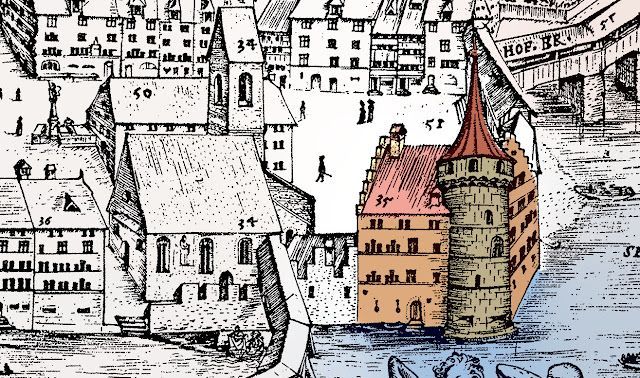
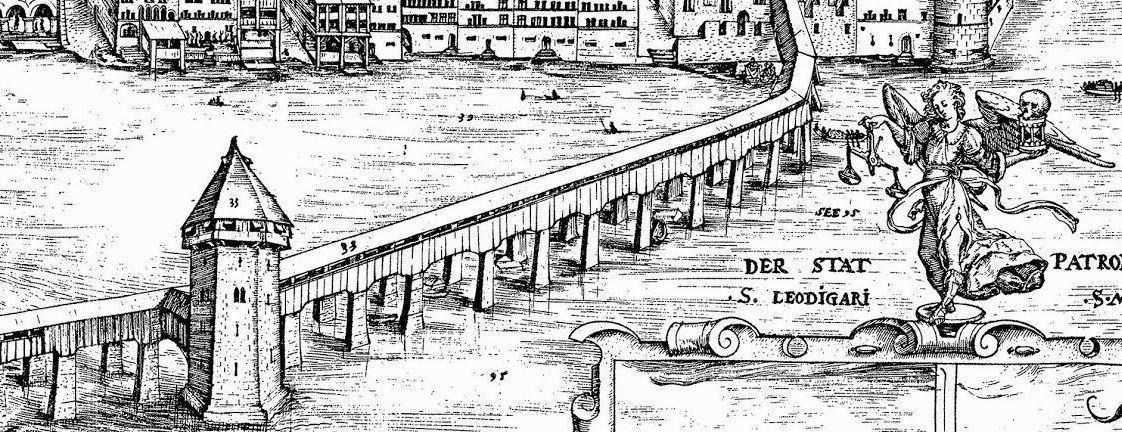
Detail from the Martini Plan (1597), Zur Gilgen House with Tower
As we can see on the
Martini Plan from 1597, the
Zur Gilgen House had a
Gothic style and stood
directly by the water. After the
“Brandgässli” fire of 1833, the
Rathausquai was
filled up with debris from the fire, and the Zur Gilgen House received a
walled front garden.
To the south,
Schwanenplatz was also
landfilled. Since then, the house no longer borders directly on the
lake.
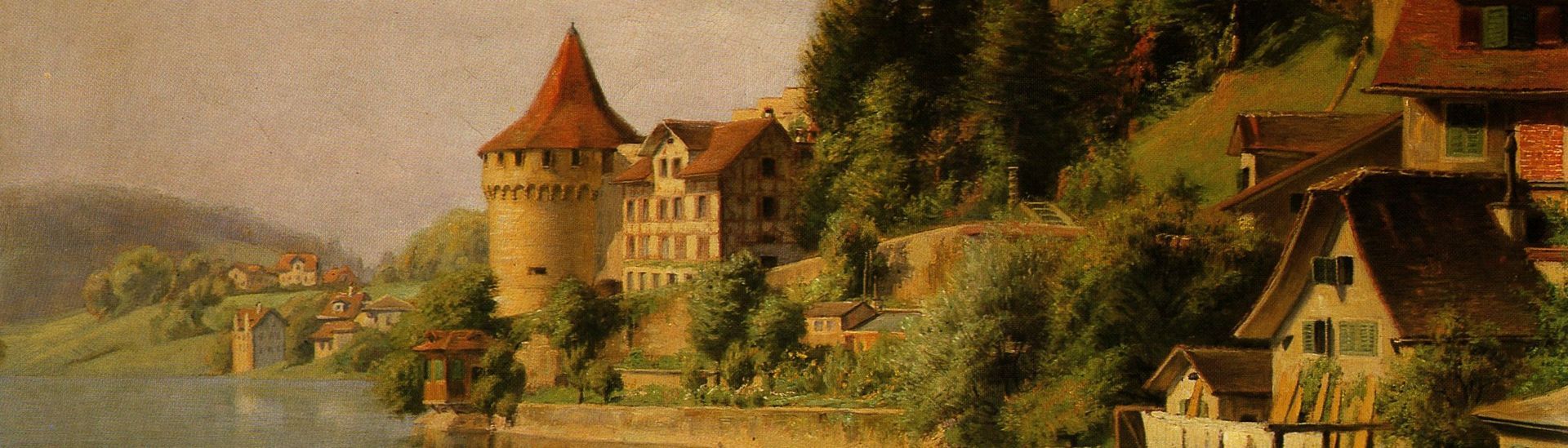
Today, the shooting slits on the Zur Gilgen Tower, which were once used for defense, can still be seen.
The Lucerne artist Xaver Schwegler painted this artwork at the end of the 19th century. The area now known as Schwanenplatz was then called Schifflände and was expanded during the land reclamation for Schweizerhofquai. While the Hof Bridge and parts of the city wall were demolished, the Zur Gilgen House with its round tower, the Water Tower, and the tower of St. Peter’s Chapel—all visible in historical depictions—have been preserved.